

Why talk about eggs?
Eggs are a compact, versatile food found on tables worldwide. They’re also a clear example of the idea "you are what you eat": the conditions and feed given to hens influence the egg’s nutrition, flavor, and appearance. Understanding those inputs helps you make choices that fit your wellness routine and values.



What influences egg quality?
1. Hen diet
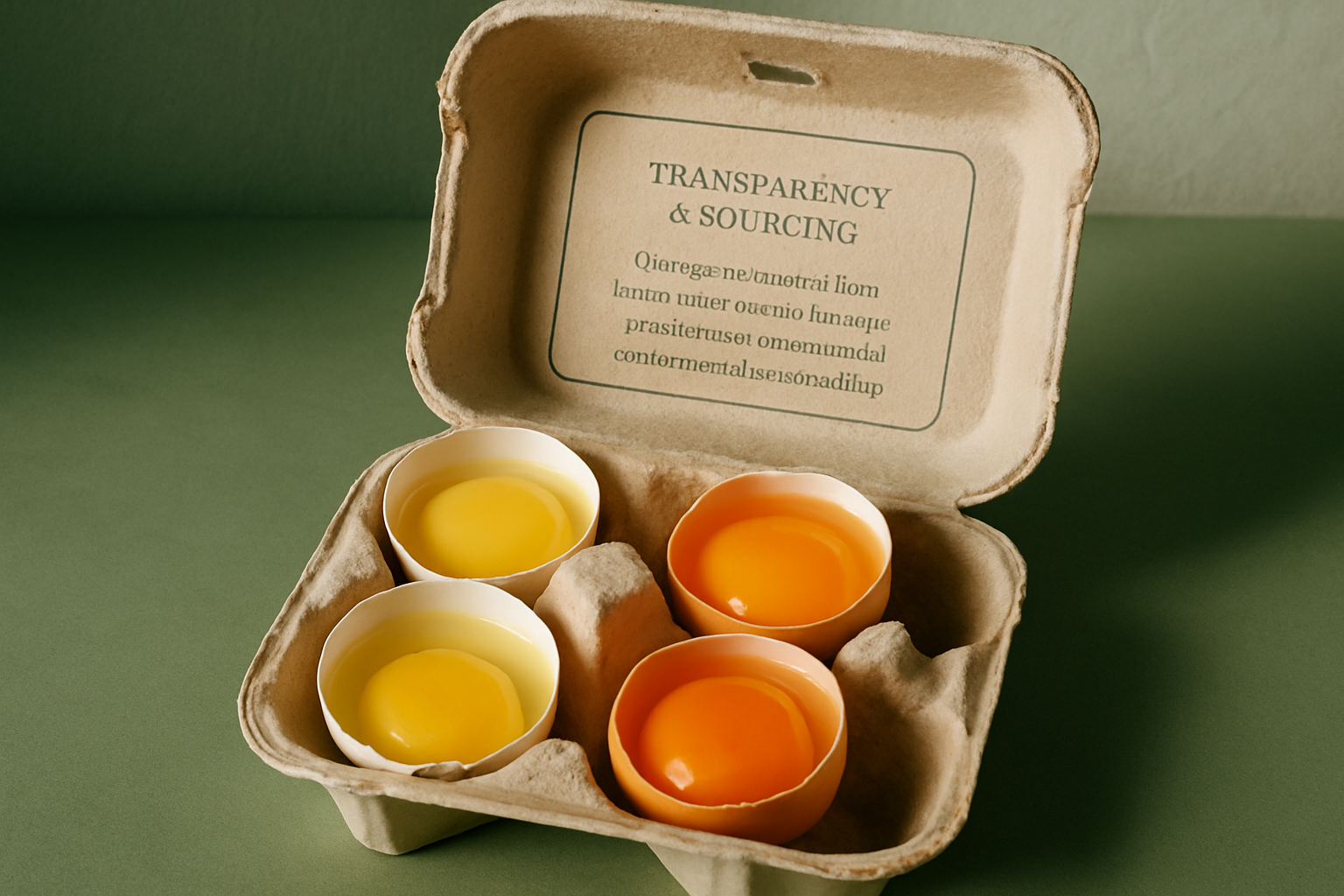
The nutrients and pigments in a hen’s feed affect the yolk color and nutrient profile. For example, hens fed diets with more carotenoid-rich plants produce deeper-yellow or orange yolks. Diets that include sources of omega-3s, like flax or certain algae, can lead to eggs with higher omega-3 content. These differences are natural and may help support a more nutrient-dense plate.
2. Environment and welfare
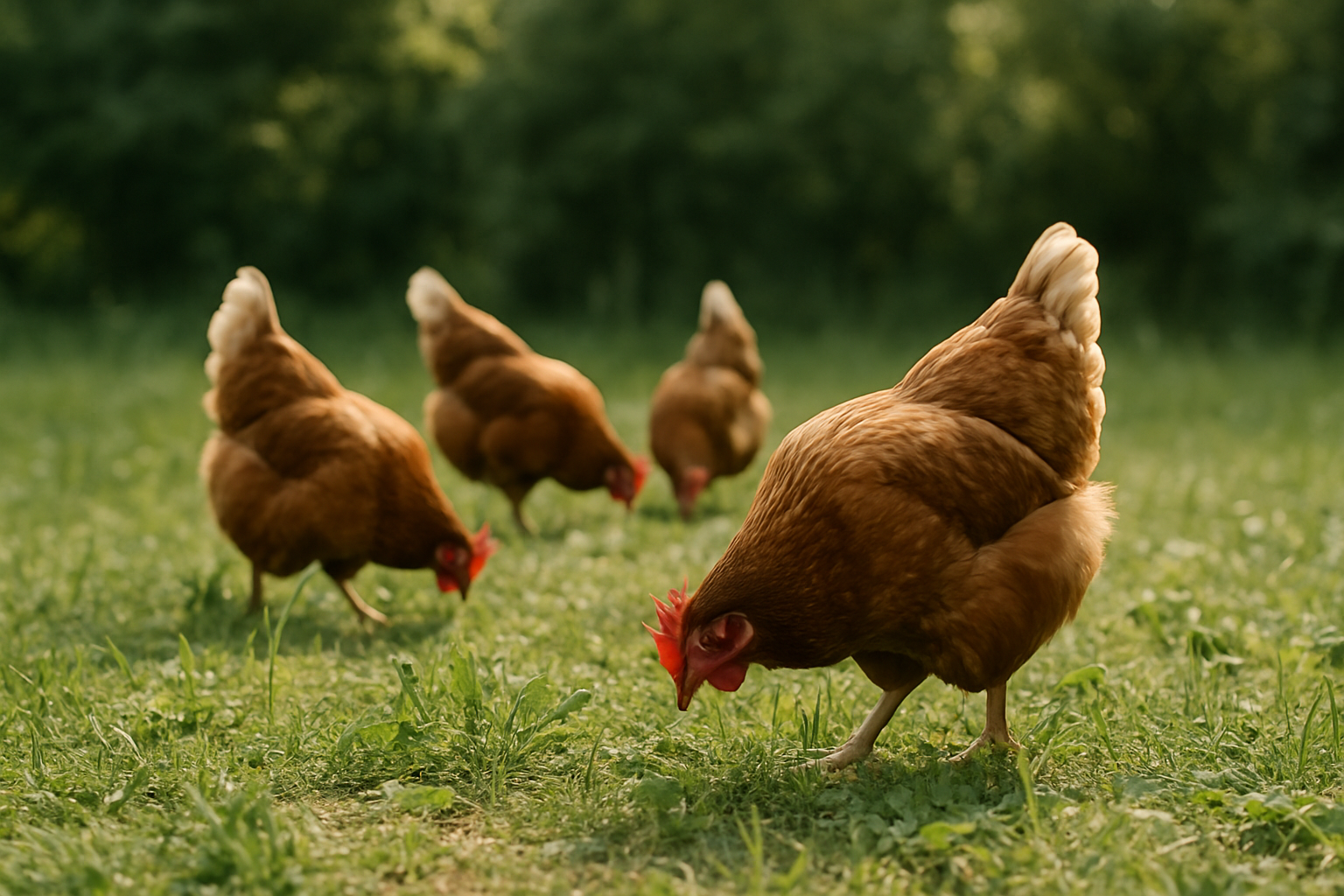
Access to pasture, sunlight, and room to move can influence the hen’s health and behavior. While labels like "pasture-raised," "free-range," and "cage-free" describe different production methods, they don’t all mean the same thing — look for clear sourcing information or ask producers about outdoor access and stocking density.
3. Freshness and handling
Freshness affects texture and performance in cooking. Fresher eggs have firmer whites and rounder yolks, which is especially noticeable in poaching or when making dishes that rely on structure. Proper refrigeration and gentle handling preserve quality.
4. Farming practices and transparency
How a farm manages feed, seasonality, and bird health matters. Transparency — a farm or brand that shares where eggs are produced, what hens are fed, and how birds are kept — lets you align purchases with your priorities, whether that’s environmental stewardship, animal welfare, or nutrient focus.
Reading labels without getting lost
- Pasture-raised generally implies outdoor access and foraging — good for birds and often for egg diversity. Ask how many hours per day hens spend outside and how much pasture per bird.
- Free-range indicates some outdoor access but doesn’t guarantee the amount or quality of that space.
- Organic usually refers to feed and synthetic input limits in production; it does not automatically mean pasture access unless stated.
- Omega-3 enriched or similar claims mean hens were fed ingredients high in omega-3s — check the brand for specifics on their feed.
Practical tips for buying better eggs
- Prioritize transparency: choose farms or brands that share feed ingredients, outdoor access, and herd/flock size.
- Try local producers: farmer’s market eggs often come with the opportunity to ask direct questions about feed and care.
- Look beyond yolk color as the sole indicator of quality — it reflects feed pigments, not necessarily overall nutrition.
- Rotate varieties: try a few types (pasture-raised, organic, omega-3 enriched) and note taste, yolk richness, and how they perform in your favorite recipes.
How to store and cook eggs for best results
- Refrigerate promptly and store eggs in their carton to protect flavor and reduce moisture loss.
- For poaching or frying, slightly older eggs (about 7–10 days) can sometimes be easier to work with because the whites spread less, while very fresh eggs hold a taller yolk.
- Cook eggs to your preferred doneness. In a balanced wellness routine, eggs provide a convenient source of protein and nutrients that can help support satiety and recovery after activity.
Questions to ask at the market or on a brand’s page
- What do you feed your hens? (Ask about grains, greens, and any supplements.)
- Do hens have regular outdoor access, and what does that look like through the seasons?
- How do you handle eggs after collection (washing, refrigeration, aging)?
- Can you share photos or a brief description of the farm layout?
Small experiments you can try at home
- Buy two cartons from different sources and compare yolk color, aroma, and how they behave in a simple scramble or fried egg.
- Time how long a soft-boiled egg needs to reach your preferred doneness to learn the best prep for each brand.
Final thoughts
“You are what you eat” works at two levels: the inputs that feed our food — like a hen’s diet and living conditions — and the choices we make at the grocery counter. Choosing eggs from transparent sources, practicing simple storage and cooking habits, and experimenting mindfully can help you align everyday meals with your wellness goals. Small changes in inputs often lead to noticeably better outputs on your plate.
