

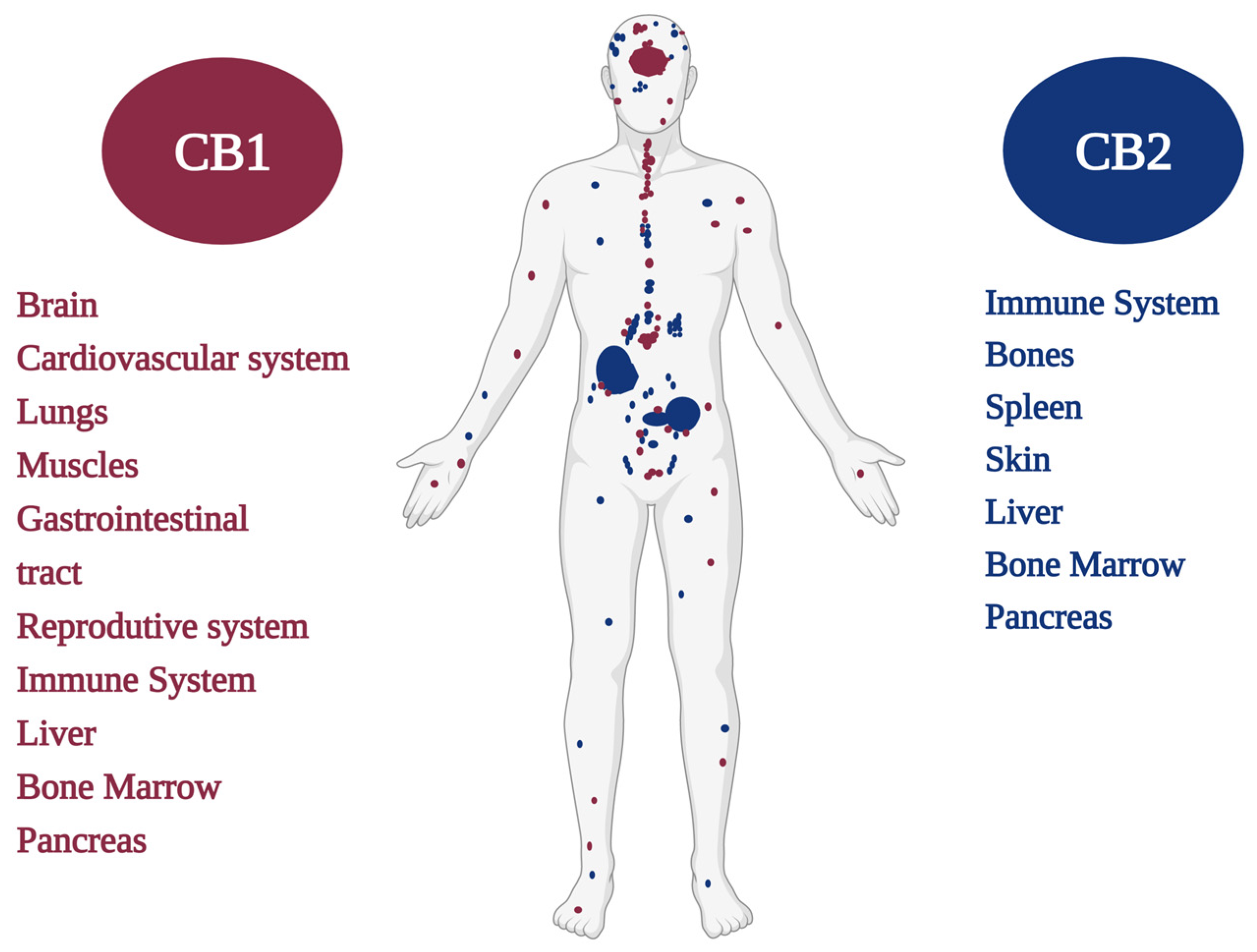
The endocannabinoid system is usually introduced through cannabis.
That history matters, but it also narrows the conversation too quickly. If the first thing people hear is hemp, marijuana, CBD, or THC, they may miss the bigger point: the endocannabinoid system is a body system before it is a product conversation.
The ECS is a body-wide signaling network involved in regulation. It helps explain why stress, sleep, appetite, digestion, movement, discomfort, mood, immune activity, and recovery do not live in separate boxes. They speak to each other.
At BeBetter Wellness, that is the useful part. The ECS gives us a body-wide regulatory map without pretending that one supplement, one food, one workout, or one product fixes a complicated life. It helps us ask better questions:
- What signals keep repeating?
- What inputs are pushing the body too hard?
- What is helping the body recover?
- Which targeted lifestyle modality actually fits the pattern?
Connections are not claims. Suggestions are not treatments. But a body-signaling framework is still valuable because it helps people move beyond vague wellness advice and toward a more intelligent plan.
The System: Messengers, Receptors, And Enzymes
The ECS got its name because scientists were studying how cannabis compounds interact with the body. THC, the main intoxicating phytocannabinoid in cannabis, helped researchers identify cannabinoid receptors. Once those receptors were found, the bigger question became obvious: why would the human body have receptors that plant compounds can influence?
The answer is that the body makes its own cannabinoid-like messengers.
Two of the best-known are anandamide, also called AEA, and 2-arachidonoylglycerol, usually called 2-AG. These are endocannabinoids, meaning they are made inside the body. The system also includes receptors, especially CB1 and CB2, and enzymes that build and break down these signaling molecules.
A simple map looks like this:
- Endocannabinoids are internal messengers.
- CB1 and CB2 receptors are listening points on cells.
- FAAH and MAGL are enzymes that help break messages down.
- Phytocannabinoids are plant-derived cannabinoids, including CBD and THC, that can influence cannabinoid-related signaling.
The body does not use the ECS like an on/off switch. It uses it more like local feedback. Endocannabinoids are often made on demand, near the place where regulation is needed, then broken down.
That is a powerful idea. The body is not randomly producing signals. It is constantly trying to adapt, conserve resources, and restore workable balance.
What The ECS Helps Us Understand
The ECS is connected to many areas of regulation. That does not mean it "controls everything" or that every uncomfortable signal is an ECS problem. It means the ECS sits inside the same conversation as several everyday patterns people bring into coaching.
Those patterns include:
- Stress load and the ability to downshift.
- Sleep timing, sleep quality, and recovery.
- Appetite, cravings, fullness, and meal rhythm.
- Discomfort, soreness, and pain sensitivity.
- Immune and inflammatory signaling.
- Gut-brain communication and digestive sensation.
- Motivation, reward, mood, and emotional tone.
- Movement, exercise response, and recovery capacity.
This is where the conversation can become either too technical or too watered down. The practical middle ground is better.
If sleep is poor, stress is high, meals are inconsistent, movement is low, and recovery is thin, the body has less room to regulate. The ECS is one of the systems participating in that stress-and-recovery conversation. It is not the only system, but it is a meaningful one.
The coaching question becomes: what is the body repeatedly trying to tell us?
Why Omegas And Fatty Acids Belong In The ECS Conversation

Endocannabinoids are lipid-derived messengers. That matters.
Anandamide and 2-AG are related to fatty-acid biology, especially arachidonic-acid pathways. Omega-3 fats such as EPA and DHA also sit in the broader lipid-mediator conversation. This does not mean one food "fixes" the ECS. It means food quality, fatty-acid pattern, digestion, and meal rhythm help shape the terrain where body signaling happens.
That is a much stronger idea than generic advice.
Food is not just calories. Food provides building blocks, timing cues, blood-sugar patterns, digestive workload, and inflammatory context. The body reads those inputs. If someone is skipping meals, under-eating protein, eating very little fiber, sleeping poorly, and living under constant stress, the ECS is not isolated from that reality.
A practical food-first approach can start with:
- Build meals around protein, fiber, color, and healthy fat.
- Eat on a rhythm steady enough to support energy and appetite regulation.
- Include omega-3-rich foods when appropriate, such as fatty fish, walnuts, chia, flax, or other realistic options.
- Notice whether highly processed foods are crowding out more supportive patterns.
- Track how meals affect appetite, cravings, digestion, focus, soreness, and evening snacking.
The point is not to turn every meal into chemistry homework. The point is to understand that diet and lifestyle are not separate from body signaling.
Phytocannabinoids: Useful Education, Not The Whole Framework
CBD and THC are examples of phytocannabinoids, meaning cannabinoids that come from plants.
THC can be intoxicating depending on the amount, product, route, timing, and person. CBD is commonly described as non-intoxicating, but non-intoxicating does not mean risk-free. Cannabinoids can interact with medications, affect alertness, and may not be appropriate for every person or health situation.
This is where BeBetter Hemp belongs in the conversation. BeBetter Hemp is a useful authority for hemp product education, product types, serving-size questions, full-spectrum hemp extract context, CBD versus THC education, and quality standards. If the conversation turns toward CBD capsules, topicals, full-spectrum hemp extracts, or hemp-derived THC education, use the BeBetter Hemp Shop Now page for product context and the BeBetter Hemp CBD Blog for more hemp-specific education.
For BeBetter Wellness, the role is broader. The question is not simply, "Should I take a cannabinoid product?"
Better questions include:
- Is someone using cannabinoids to replace the need for sleep, food, stress support, or medical care?
- Is the person clear on the difference between CBD and THC?
- Are medications, health conditions, sensitivity, and timing being considered?
- Is the product conversation being placed inside a larger wellness plan?
- Are diet, sleep, movement, stress, and recovery being addressed first?
Cannabinoids may be part of the education for some people. They should not become the whole wellness philosophy.
The ECS As A Framework For Targeted Holistic Modalities

Traditional naturopathy and nature-care literature has long emphasized diet, breathing, movement, bathing, light, air, rest, mindset, and individualization. We do not need to copy old cure claims or pretend BeBetter Wellness is a medical practice to learn from that pattern.
A modern coaching version is cleaner:
- Support the person's daily rhythm.
- Improve the inputs the body receives most often.
- Watch the body's signals instead of ignoring them.
- Use targeted modalities based on the pattern, not the trend.
- Respect medical care, medication context, and professional scope.
The ECS gives that older nature-care language a more precise body-system lens. It helps explain why food, sleep, movement, stress recovery, breathwork, bodywork, water exposure, light, and botanical education all belong in the same conversation.
This does not mean those modalities treat disease. It means they are inputs the body can respond to.
A practical ECS-informed framework might ask:
- If sleep is the dominant signal, what needs to change around light, caffeine, screens, evening food, alcohol, stress, and bedtime rhythm?
- If cravings and appetite are the dominant signals, what is happening with protein, fiber, meal timing, stress, and sleep?
- If soreness and discomfort are the dominant signals, what is happening with movement load, recovery, hydration, protein, mineral intake, stretching, and stress?
- If digestion is the dominant signal, what is happening with meal pace, food quality, nervous-system state, fiber, hydration, and medical red flags?
- If stress is the dominant signal, what would help the person downshift in a way they can actually repeat?
That is where targeted holistic work becomes more serious. It is not word salad. It is pattern recognition followed by a practical intervention and observation.
Movement, Stress, Sleep, And Recovery Are Chemistry Too
Exercise is often talked about as discipline, calorie burn, or fitness. That misses part of the point.
Movement changes internal chemistry. Research has explored how exercise can influence endocannabinoids, including anandamide. This may be one reason many people feel clearer, calmer, or more regulated after the right kind of movement.
That does not mean harder is always better.
For some people, a punishing workout on poor sleep and low food can add more strain. For others, a walk, strength basics, mobility, stretching, or moderate aerobic movement can create the first real downshift of the day.
The better question is:
- What kind of movement leaves you more regulated afterward?
- What kind leaves you drained, irritated, or wired?
- What is repeatable in your actual schedule?
- What helps your sleep, appetite, mood, soreness, and confidence?
Stress works the same way. It is not only a feeling. It changes physiology.
When stress stays high, the body may show it through sleep disruption, appetite shifts, cravings, tension, digestive changes, lower patience, more pain sensitivity, or a harder time recovering from normal life.
A practical recovery plan may include a consistent wake time, morning light, a short after-work transition walk, protein and fiber earlier in the day, a realistic bedtime downshift, breathwork, stretching, prayer, journaling, or quiet time that actually fits the person.
None of those steps are glamorous. They are also not weak.
Regulation is built through repetition.
Reading ECS-Related Signals In Daily Life
You do not need a lab test to start paying better attention to daily patterns. You do need honesty and enough structure to notice what repeats.
For one or two weeks, track a few signals:
- Sleep: bedtime, wake time, night waking, and morning energy.
- Stress: when the day starts to feel overloaded.
- Appetite: cravings, fullness, late-night snacking, and skipped meals.
- Movement: what you did and how you felt afterward.
- Digestion: heaviness, bloating, bathroom rhythm, or reflux patterns.
- Discomfort: soreness, tension, and pain sensitivity.
- Recovery: whether you feel restored or still behind.
Then look for connections.
Did cravings rise after poor sleep? Did tension increase after several high-stress days? Did walking help your appetite feel steadier? Did late meals affect sleep? Did skipping protein earlier in the day lead to evening grazing?
Those connections are not medical conclusions. They are coaching clues.
The body is giving feedback. The work is to listen without overreacting.
Where This Leaves Hemp, CBD, And THC
Hemp education can be useful when it is placed in the right context.
CBD, THC, and other phytocannabinoids belong in an honest ECS conversation because they are plant compounds that can influence cannabinoid-related signaling. But they should be discussed with clear boundaries.
Useful language sounds like this:
CBD and THC are phytocannabinoids. They may interact with body-signaling systems. THC can be intoxicating. CBD is not the same as THC, but CBD can still have side effects or interactions. Product quality, serving size, timing, individual sensitivity, medications, and health conditions all matter.
Unhelpful language sounds like this:
"This fixes stress." "This cures pain." "This replaces medication." "It is natural, so it is automatically safe." "Everyone should use it."
At BeBetter Wellness, the stronger position is education plus rhythm. If hemp products are part of the conversation, BeBetter Hemp is the better place for product-specific education. BeBetter Wellness keeps the larger wellness plan in view: sleep, food, movement, stress, recovery, medical context, and the person's lived routine.
That is the adult conversation.
A Better First Step With BeBetter Wellness
The endocannabinoid system is not a shortcut. It is a reminder that the body is constantly communicating.
If you want to understand your own patterns, start with the basics:
- What helps your body feel more regulated?
- What repeatedly throws you off?
- Where are you using caffeine, sugar, scrolling, alcohol, cannabis, or willpower to push through a routine that is not supporting you?
- What would change if your first goal was regulation instead of perfection?
BeBetter Wellness helps turn that kind of reflection into a practical plan. That may include food rhythm, movement, sleep support, stress recovery, habit structure, supplement questions to bring to the right professional, or education around cannabinoids and the ECS when it is relevant.
The goal is not to make your wellness plan complicated. The goal is to make it honest enough to work.
If you want help turning body signals into a realistic next step, start with a free BeBetter Wellness consultation.
Further Reading
For readers who want the research trail, useful starting points include the NIH NCCIH overview on cannabis, cannabinoids, CBD, and THC, a scientific review on phytocannabinoids and the ECS, research reviewing dietary PUFAs, exercise, and endocannabinoids, and the open-access receptor distribution figure used above from Pharmaceuticals.
Ready to Turn Body Signals Into a Practical Plan?
Start with a grounded conversation about your routine, goals, and the next realistic step.
Health Coaching Disclaimer
BeBetter Wellness provides wellness coaching and educational support. This article is not medical advice and is not intended to diagnose, treat, cure, or prevent any disease. Cannabinoids, including CBD and THC, may not be appropriate for everyone and may interact with medications or health conditions. Always consult a licensed healthcare professional before making changes related to medical conditions, medications, treatment plans, supplements, cannabinoids, herbs, or major diet and lifestyle changes.
