

Different types of gluten-free pasta — an approachable guide
Choosing gluten-free pasta can feel overwhelming: shapes look familiar but ingredients and textures vary widely. This guide walks through the most common gluten-free pasta types, practical cooking tips, and pairing ideas so you can pick the right pasta for your plate with confidence.
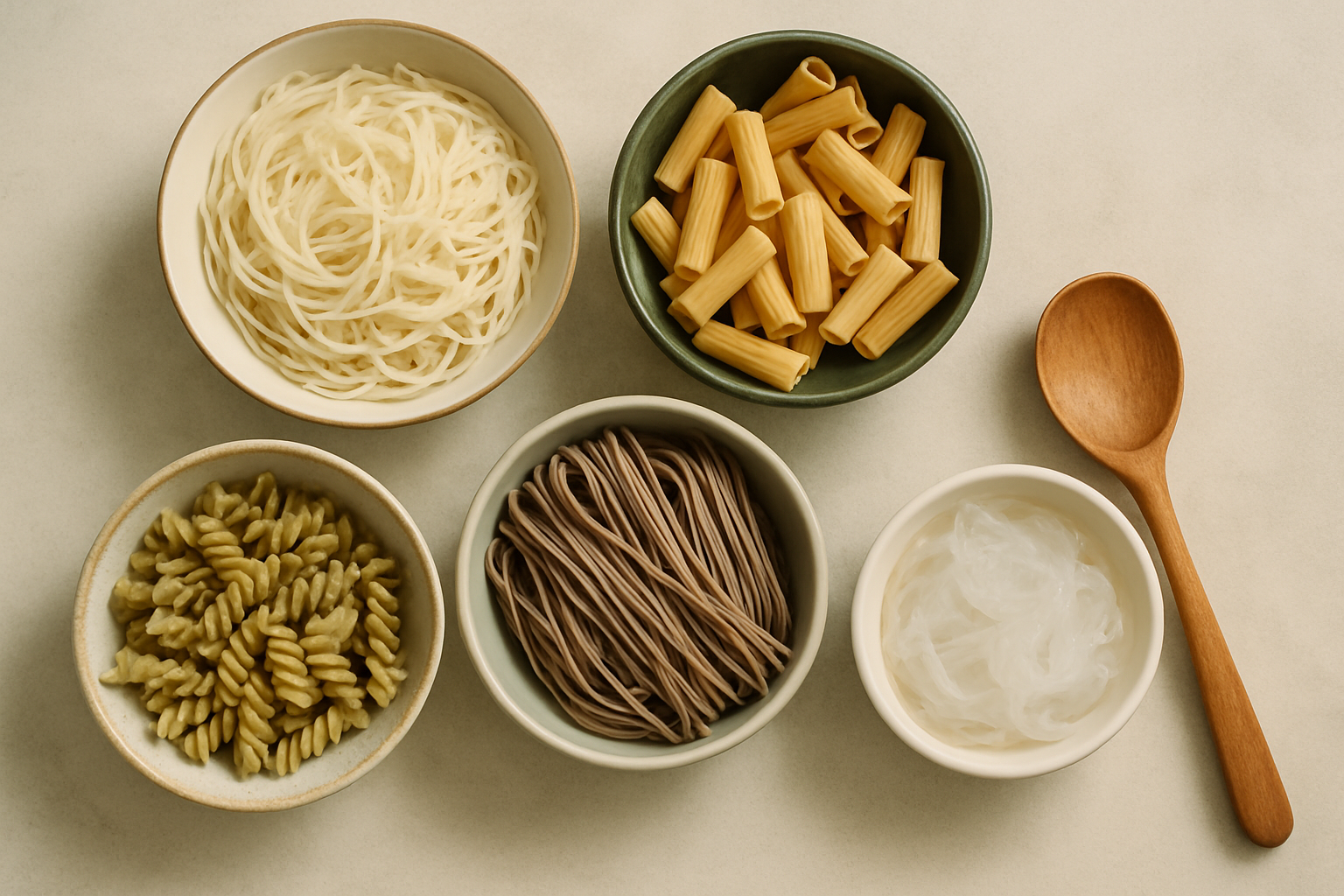
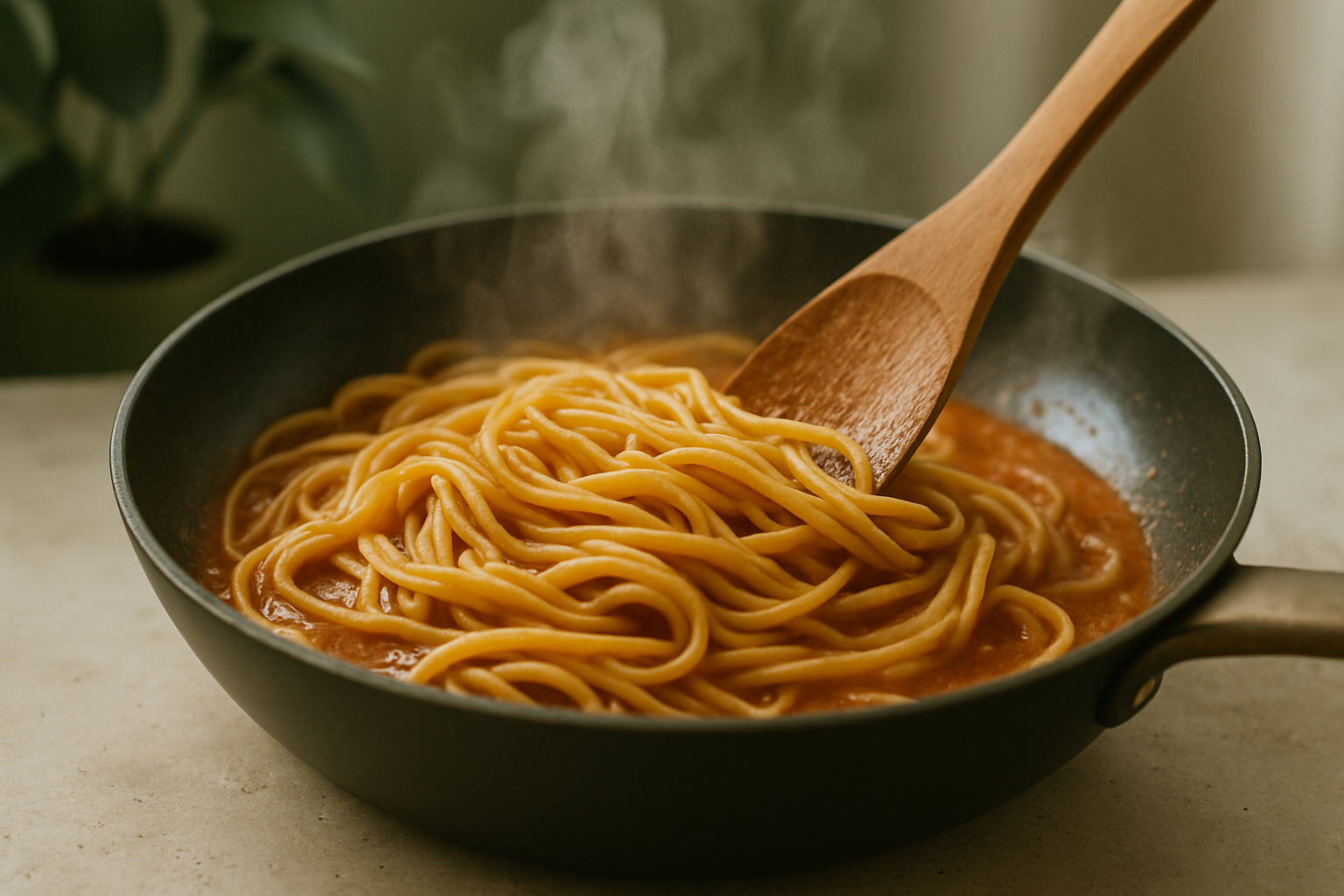
Rice-based pasta
What it is: Made from white or brown rice flour. Widely available and often the most neutral-tasting option.
- Texture & best uses: Light and slightly tender; works well with delicate sauces (olive oil, simple tomato, pesto) and in soups.
- Cooking tip: Stir gently, use plenty of boiling water, and test early—rice pasta can go quickly from al dente to soft.
Corn-based pasta
What it is: Made from corn flour or masa-style corn. Often combined with rice flour for structure.
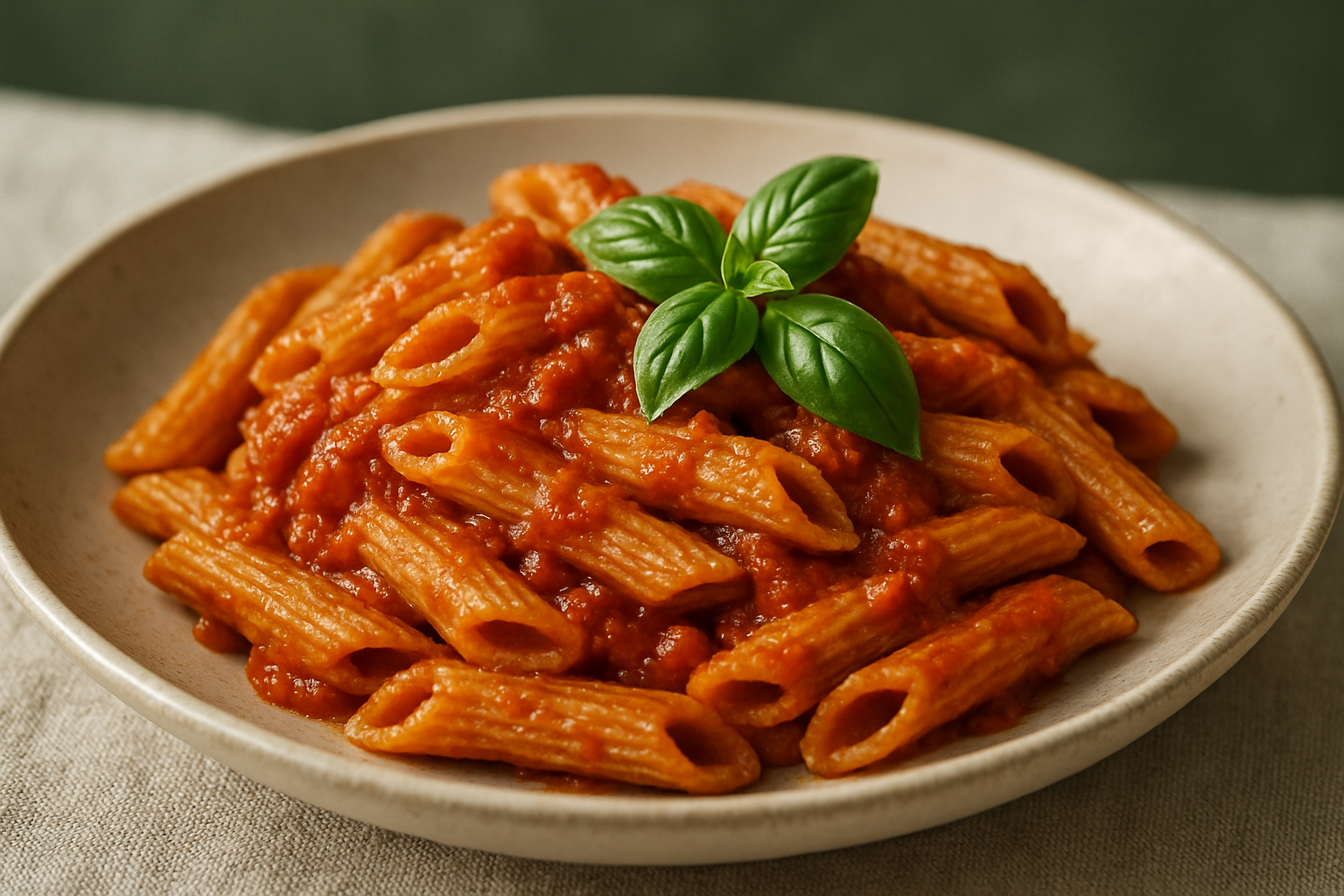
- Texture & best uses: Slightly sweet, firmer bite; great for hearty tomato sauces, baked pasta dishes, and pan-frying leftovers.
- Cooking tip: Follow package times closely; a short rest after draining can help it firm up for baking.
Quinoa and ancient-grain pasta
What it is: Made from quinoa alone or blended with brown rice or other grains like sorghum and millet.
- Texture & best uses: Nutty flavor with a pleasantly chewy bite; pairs well with robust sauces, roasted vegetables, and warm salads.
- Cooking tip: These can be a bit denser—use slightly more water and check doneness a minute or two before the package time.
Legume-based pasta (chickpea, lentil, pea)
What it is: Made from single legumes or blends (e.g., chickpea, red lentil, yellow pea).
- Texture & best uses: Firm, springy texture and often higher in protein and fiber than grain-based pastas; excellent with bold sauces, curry-style dishes, and cold salads.
- Cooking tip: Reduce boiling time slightly if you prefer a firmer bite. Rinsing briefly after cooking can reduce surface starch and stickiness.
Buckwheat (soba) pasta
What it is: Traditional soba is made from buckwheat, sometimes blended with rice; check the label to confirm it's 100% buckwheat if you need a gluten-free product.
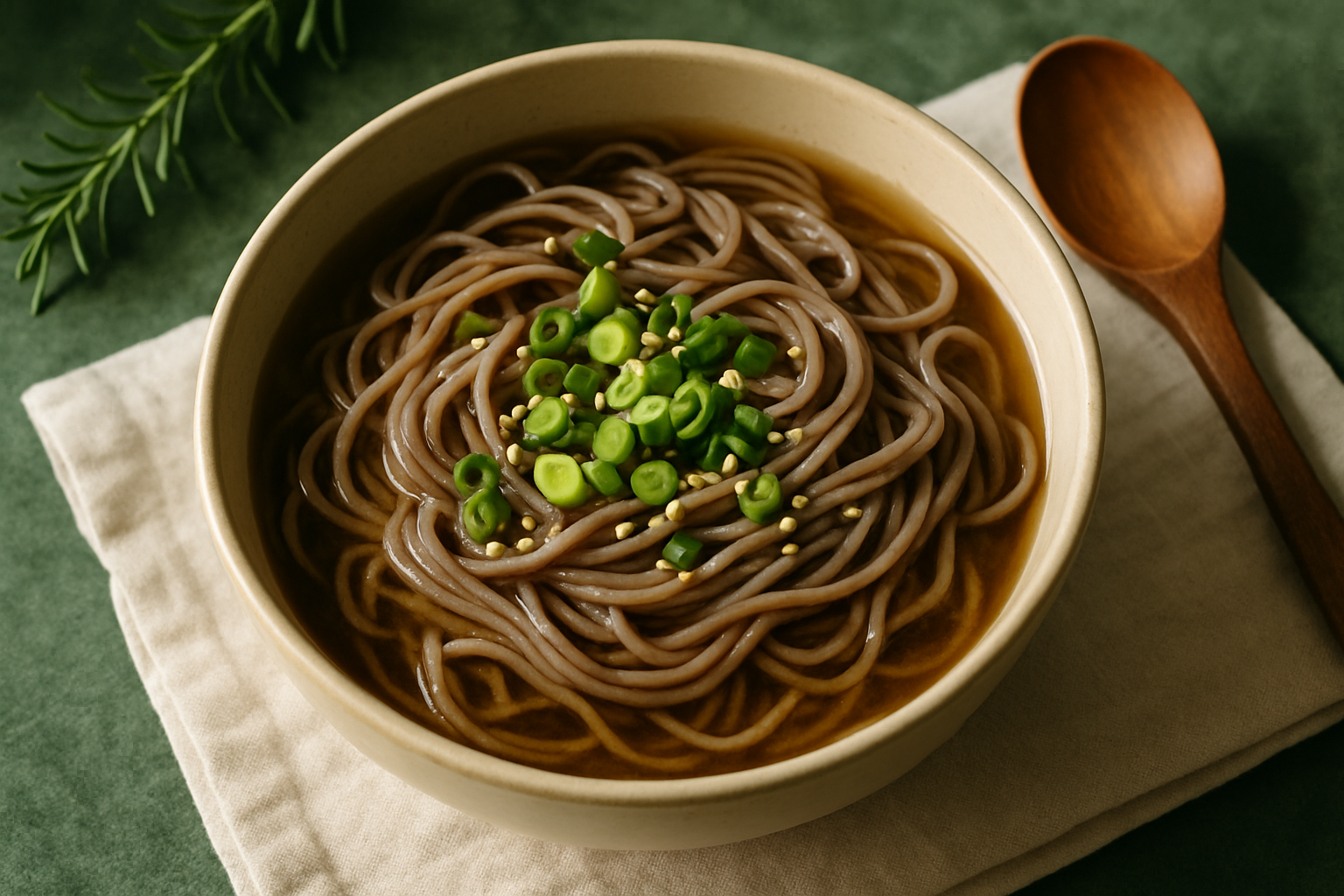
- Texture & best uses: Earthy flavor and firm texture; great for brothy dishes, Asian-style sauces, and stir-fries.
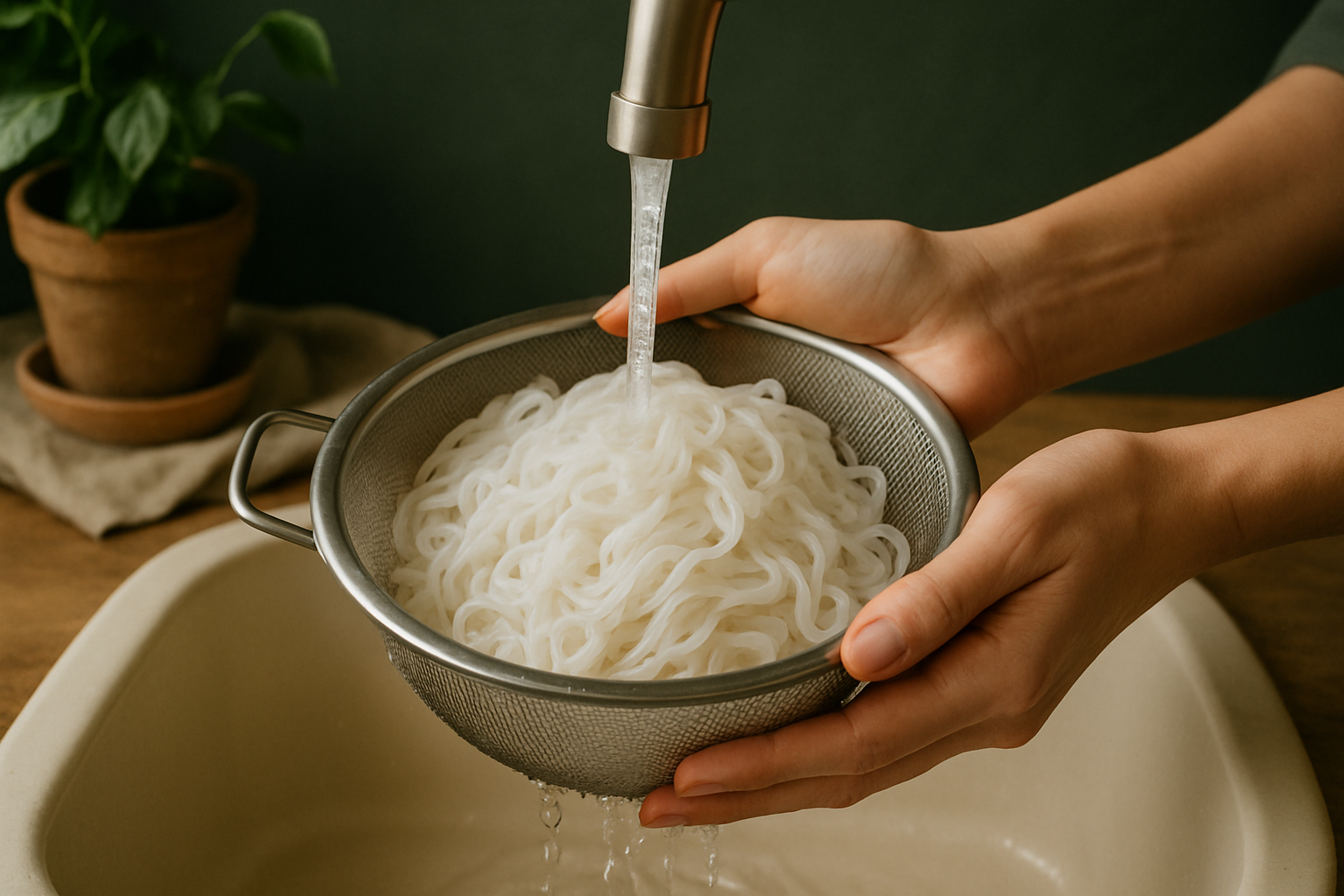
- Cooking tip: If labeled for gluten-free use, cook briefly and rinse under cold water to stop cooking and remove excess starch.
Cassava and tapioca-based pasta
What it is: Made from cassava (yuca) or tapioca starch, often blended with other flours to improve structure.
- Texture & best uses: Smooth, slightly chewy texture — works well in dishes where a glossy finish is desired (creamy sauces, baked dishes).
- Cooking tip: These can be delicate; avoid aggressive stirring and drain gently to prevent breakage.
Konjac (shirataki) pasta
What it is: Made from the konjac root (glucomannan). Very low-calorie and mostly fiber.
- Texture & best uses: Gel-like and slightly slippery; excellent in hot broths, quick stir-fries, and noodle bowls. Because of the texture, it pairs well with bold, flavorful sauces.
- Cooking tip: Rinse well and briefly dry-pan to improve texture and help sauce cling.
Nut- and seed-based pasta (almond, coconut)
What it is: Made from ground nuts or seeds, often blended with other flours for structure.
- Texture & best uses: Dense and rich with a pronounced nutty flavor; nice in warm salads, simple oil-based sauces, or as a base in vegetable-forward recipes.
- Cooking tip: These can be fragile—treat gently and consider shorter cooking times or baking finishes.
Commercial blends and binder notes
Many packaged gluten-free pastas use blends of rice, corn, sorghum, or tapioca plus binders like xanthan gum or guar gum to mimic gluten's elasticity. These blends often provide a more familiar pasta texture and hold up well in sauced dishes.
How to choose the right gluten-free pasta for you
- Match texture to sauce: Delicate rice pastas suit light sauces; legume, quinoa, and ancient-grain pastas match hearty, savory sauces.
- Consider nutrition preferences: Legume and ancient-grain options may be higher in protein and fiber, which can help you feel satisfied as part of a balanced meal.
- Account for other sensitivities: If you avoid legumes, choose grain or cassava-based options; if you avoid nuts, skip nut-based pastas.
- Think about shape: Tubes and ridged shapes hold chunky sauces; thin strands work for light, oil-based preparations.
Cooking tips for better results
- Use ample, rapidly boiling water: This helps prevent sticking and ensures even cooking.
- Stir gently and early: Stir once or twice in the first minute to keep pieces separate.
- Test for doneness: Start checking a minute or two before the package time—gluten-free pastas can overcook quickly.
- Rinsing: when to do it: Rinsing under warm or cool water can reduce surface starch and stickiness for rice or legume pastas, but rinsing may make sauces cling less. Choose based on the dish.
- Finish in the pan: Tossing cooked pasta briefly in the sauce over low heat helps flavors meld and improves texture.
Simple swaps and pairing ideas
- Light tomato or olive-oil sauces: rice or corn pasta.
- Hearty ragù or roasted-vegetable sauces: legume, quinoa, or mixed-grain pastas.
- Broths and Asian-style bowls: buckwheat (soba) or konjac noodles.
- Baked casseroles: corn-rice blends or cassava-forward pastas for structure.
Storage and shelf life
- Dry gluten-free pasta: store in a cool, dry pantry; typically shelf-stable for many months—follow package best-by dates.
- Cooked pasta: refrigerate promptly in an airtight container for 3–5 days. Reheat gently with a splash of water or sauce to restore texture.
Final notes
Exploring different gluten-free pastas is a practical way to build a pantry that supports your daily wellness routine. Try small packages of a few types to learn which textures and flavors you prefer, and remember small technique adjustments—timing, rinsing, and finishing in the pan—can make a big difference.
For more balanced recipes and approachable ideas to fit into a calming, practical wellness routine, visit Be Better Wellness.
